Long Code 12029671883 Text Marketing Information
Information about the company:
Uber Technologies, Inc., commonly known as Uber, is a global technology company best known for its ride-hailing platform. Founded in 2009 in San Francisco, California, Uber transformed urban transportation by allowing passengers to request rides through a mobile app and connect with nearby drivers. The company’s platform uses GPS, digital payments, dynamic pricing, and real-time matching technology to make transportation more convenient for both riders and drivers.
Uber’s core service is ridesharing, where users can book different types of rides depending on price, comfort, and availability. These may include standard rides, shared rides in some markets, premium vehicles, and larger cars for groups. The Uber app allows customers to see estimated fares, driver details, arrival times, route information, and payment options before and during a trip. This app-based model helped Uber expand rapidly across many cities and countries.
Over time, Uber has grown beyond passenger transportation. One of its most important business areas is Uber Eats, a food delivery service that connects customers with restaurants, grocery stores, and couriers. Through Uber Eats, users can order meals, groceries, and other items for delivery. This service became a major part of Uber’s business, especially as demand for online food delivery increased. Uber also operates delivery and logistics services that support merchants, couriers, and consumers.
Uber’s business model depends on a large network of independent drivers and delivery partners. The company usually does not own the vehicles used for rides or deliveries. Instead, it provides the technology platform, payment system, safety tools, support services, and marketplace that connect customers with service providers. Uber earns revenue mainly by taking a service fee or commission from rides and delivery transactions.
Safety and reliability are important parts of Uber’s brand. The app includes features such as driver and rider ratings, GPS trip tracking, emergency assistance tools, identity verification, and customer support. Uber has also invested in sustainability initiatives, including efforts to encourage electric vehicle use and reduce emissions on its platform.
Despite its success, Uber has faced challenges, including regulatory issues, competition, labor classification debates, safety concerns, and pressure to maintain profitability. Many governments have examined how ride-hailing platforms should be regulated and whether drivers should be treated as independent contractors or employees.
Overall, Uber is one of the most influential companies in the modern gig economy. It changed how people book rides, helped popularize app-based transportation, and expanded into food delivery and local commerce. Today, Uber continues to focus on mobility, delivery, technology, and marketplace services, serving millions of riders, drivers, couriers, restaurants, and businesses around the world.
Sample text messages:
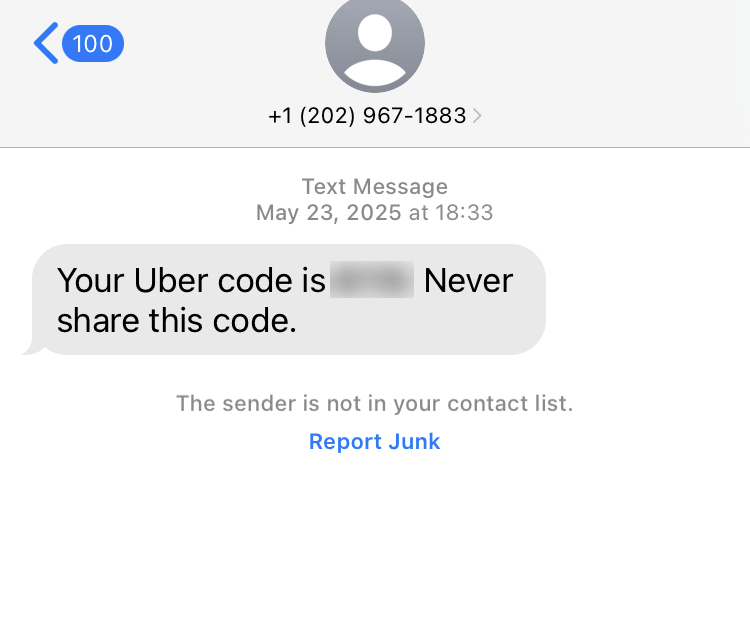
Your Uber code is 8119. Never share this code.
Information and details for Long Code 10DLC Code 12029671883